PSHE
Subject Lead : Mrs Maeve Baird
PSHE helps students to understand themselves and others. It covers topics such as emotional wellbeing, relationships, and identity, all of which are essential for navigating everyday situations including friendships, conflict, stress, and decision-making. It also plays a vital role in keeping young people safe. Topics such as online safety, consent, mental health, and substance awareness give students the knowledge to recognise risks and make informed choices rather than relying on guesswork or peer pressure.
PSHE introduces practical knowledge and life skills, including managing money, understanding careers, and making responsible decisions, all of which support independence in adulthood.
PSHE promotes respect, empathy, and inclusion, helping to reduce bullying and discrimination while encouraging positive communities both within school and beyond.
Citizenship education is delivered through the PSHE programme and equips pupils with the knowledge and skills needed to understand, challenge, and engage with democratic society, including politics, the media, civil society, the economy, and the law. It also promotes fundamental British values.
The PSHE provision at The Holy Cross School follows the RSE framework and the Citizenship curriculum. PSHE is taught in a timetabled lesson once a week by form tutors. The curriculum is scaffolded across KS3 and KS4, with lessons delivered at age-appropriate levels. Appropriate signposting and support are provided throughout for students.
Year 7:
Snapback This unit focuses on settling into secondary school, friendships, resilience, and puberty.
Looking after yourself Topics include sleep, dental health, road safety, healthy eating and exercise, fire safety, and mental and physical wellbeing.
Citizenship Students are introduced to democracy, law, society, and rights.
Friendship and empathy This unit includes recognising bullying, developing empathy, and recognising and respecting differences.
Year 8:
Community and Belonging Topics include violence against women and girls, online behaviour, protected characteristics under the Equality Act 2010, extremism and radicalisation, and hate crime.
Finance Students are introduced to financial independence, including bank accounts and saving.
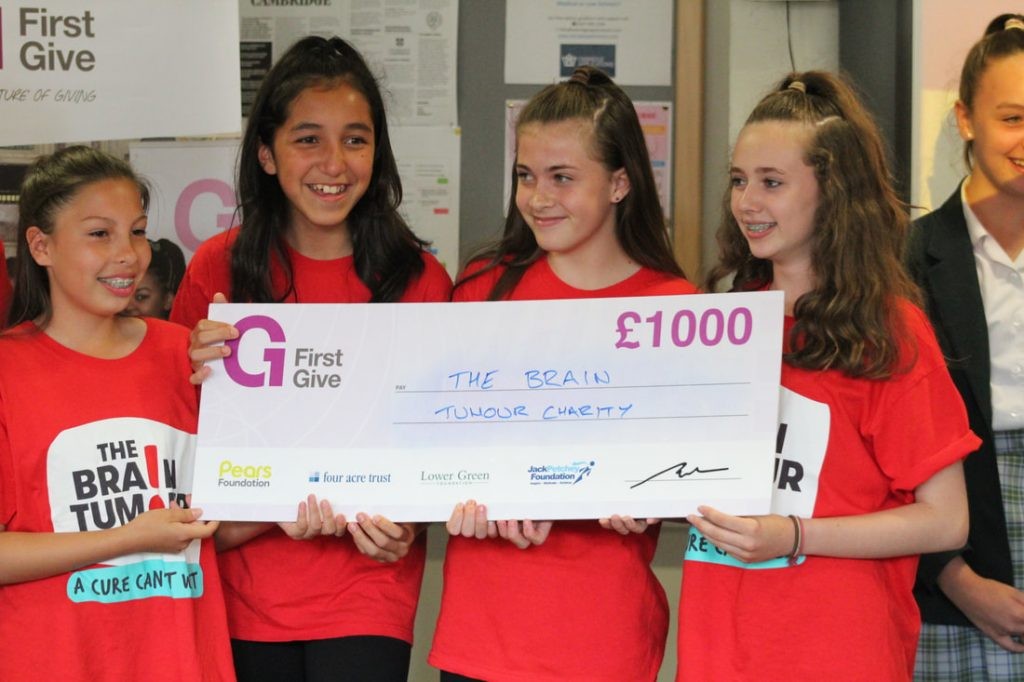
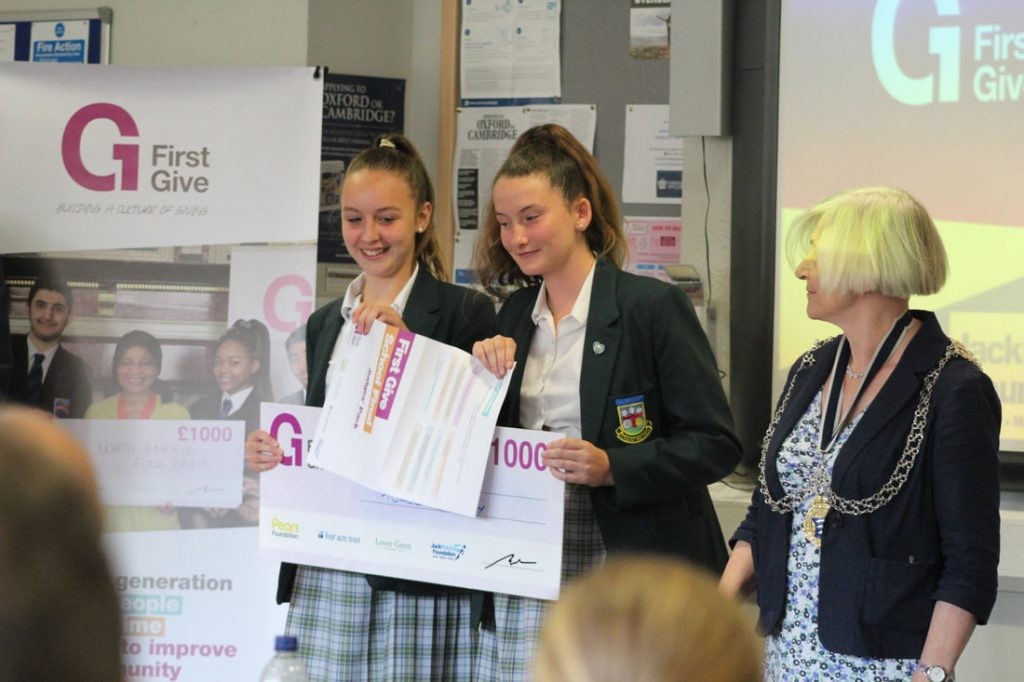
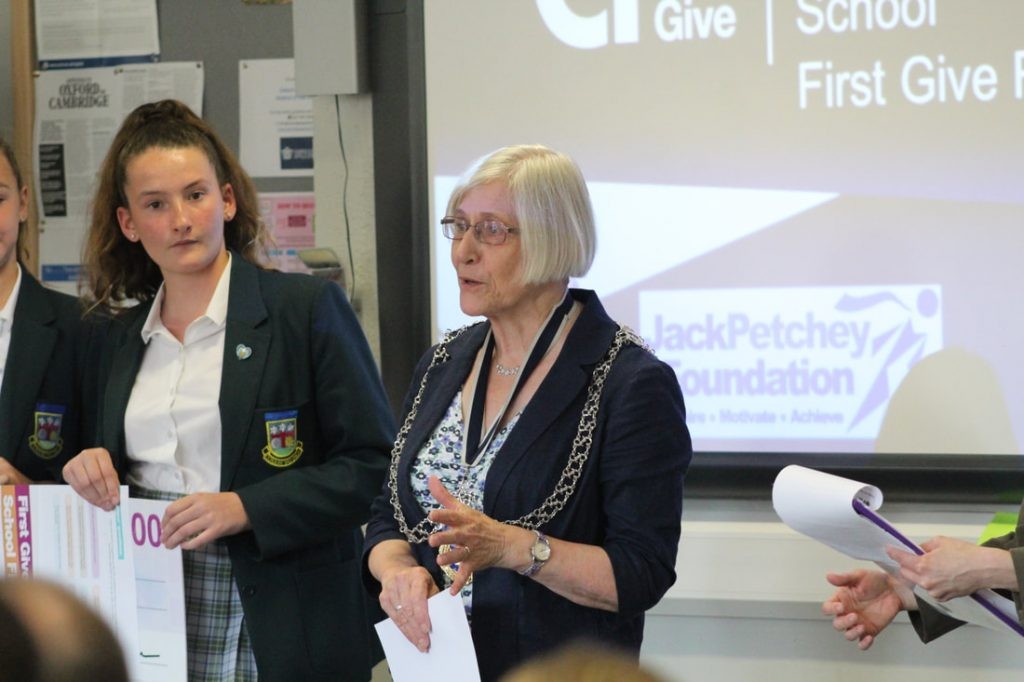
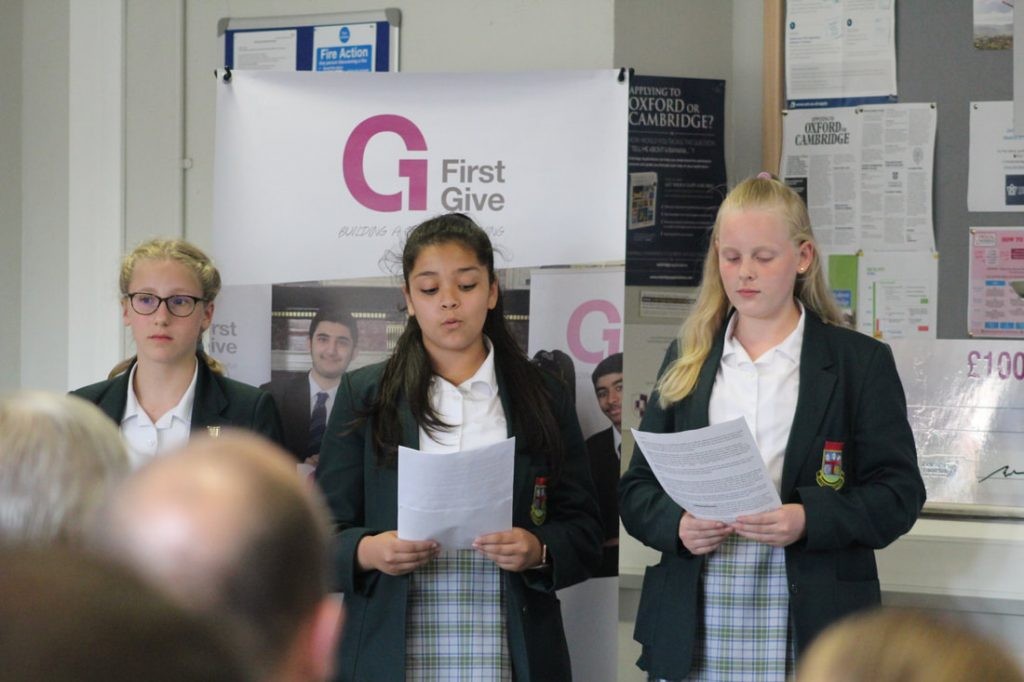
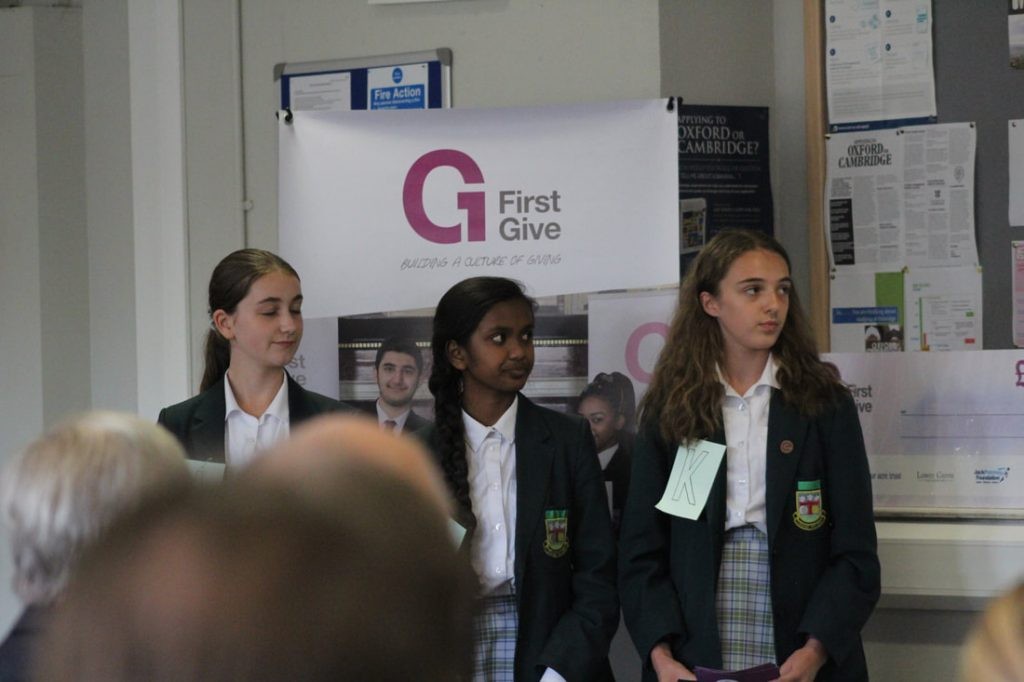
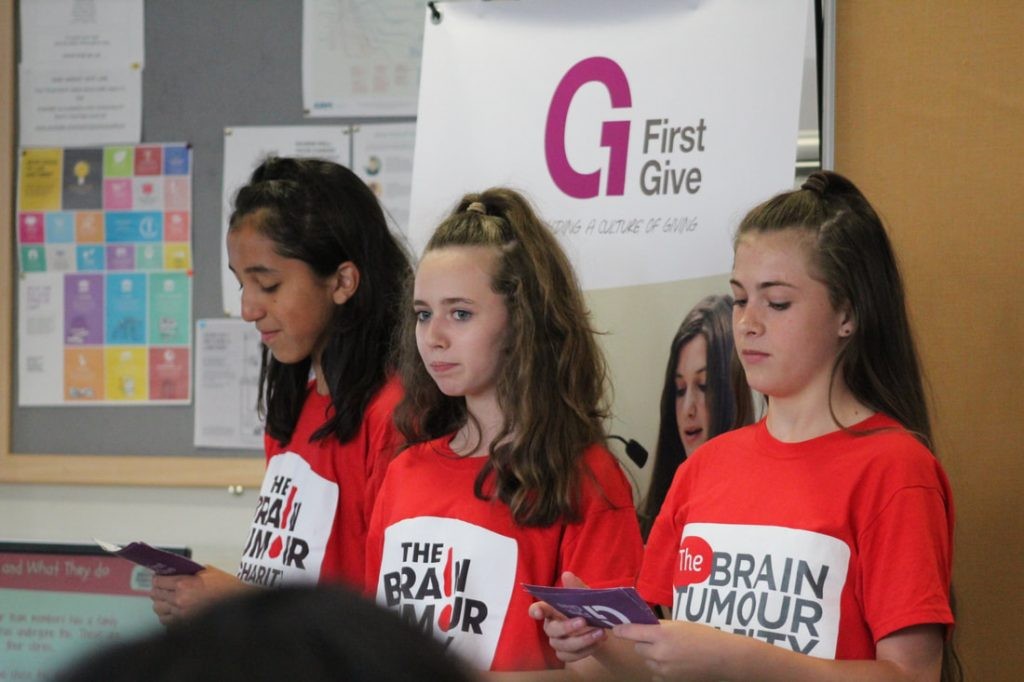
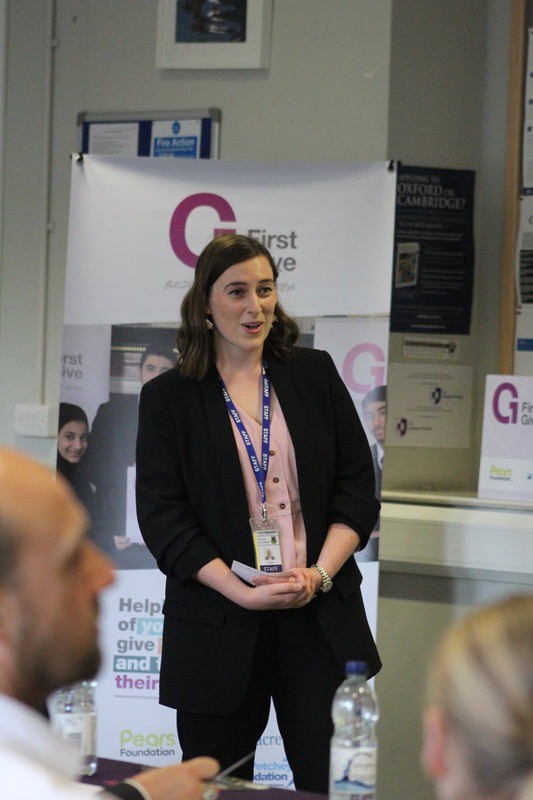
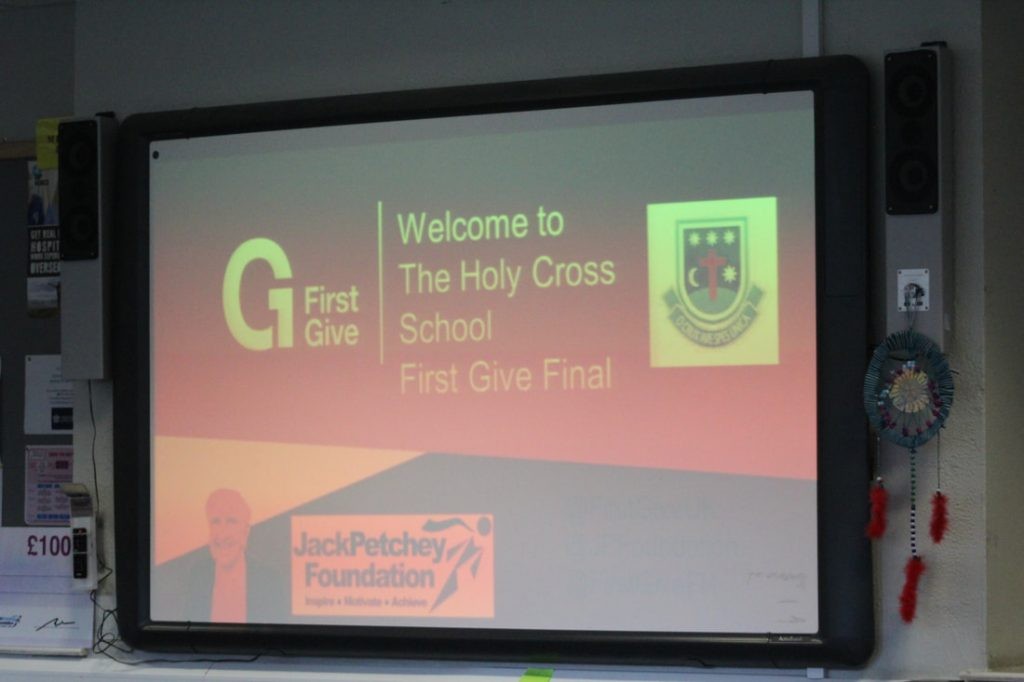
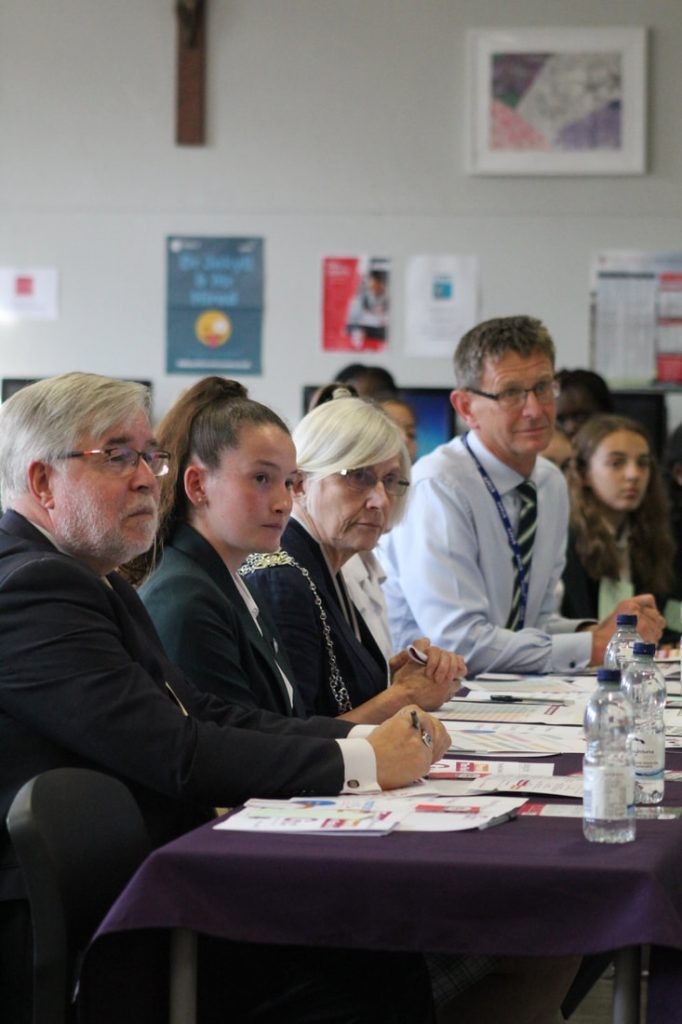
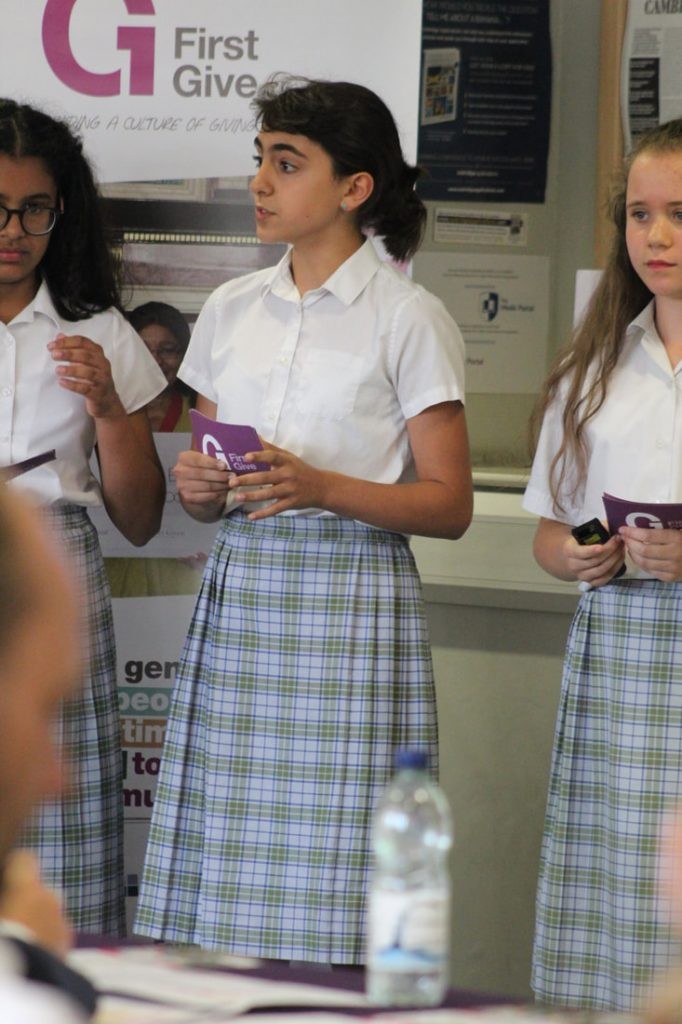
First Give A philanthropic project run by Jack Petchey. Students identify a social issue and work with a related charity to raise awareness within the school community. They also participate in a public speaking competition for a prize.
Resilience BReal BReal aims to engage young teenagers and equip them with the knowledge and practical skills to support positive brain development and promote good mental health. The programme seeks to inform, inspire, and empower students to build resilience and better manage stress.
Committed Relationships and Family Life This unit explores different types of relationships, how relationships can change over time, and where young people can seek support when navigating changes within families or relationships. Students also learn about the roles and responsibilities within families, as well as decision-
making around relationships and parenting.
Year 9:
Confident Me This programme focuses on building confidence and resilience. Topics include unrealistic appearance ideals, the impact of social media, celebrity culture and advertising, reducing appearance-focused comparisons, and promoting positive body image and behaviour change.
CPR, First Aid and Health Students take part in practical lessons using resuscitation dummies and the British Heart Foundation’s Classroom RevivR programme. Topics include the recovery position, defibrillators, choking, burns, anaphylaxis, healthy lifestyles, and rights relating to medical treatment.
Exploitation Lessons cover female genital mutilation (FGM), child sexual exploitation, child criminal exploitation, and forced marriage. Students learn how to recognise dangerous situations, understand their legal rights, and access support.
Risky Behaviour This unit covers alcohol, drugs, tobacco, and vaping. The programme aims to delay first substance use, reduce harm, and prevent harmful patterns of substance use in adulthood, while promoting positive health and wellbeing.
Relationship Behaviour – Send Me a Pic This series of lessons centres around films depicting fictional online chats involving the sharing of nude images. Students learn to:
● recognise healthy online and offline interactions
● understand image-based abuse
● identify and respond to pressure and coercion
● challenge harmful social norms around sharing images
Personal Safety Topics include water safety, peer pressure, what to do if you find yourself in difficulty in water, consent, and personal safety.
Government and Politics Students explore different types of government, voting systems, elections, Parliament, government, and the law.
Year 10:
Mental Health and Wellbeing Topics include school transitions and new challenges, reframing negative thinking, recognising poor mental health and where to seek help, change and grief, and promoting emotional wellbeing.
Belonging and Community This preventative education unit focuses on tolerance, diversity, extremism, recognising how individuals may be drawn into extremist groups, and identifying online misogyny.
Relationship Behaviour Students explore family conflict, understanding different perspectives, healthy and unhealthy relationships, conflict management, forgiveness, sexual health, staying safe, and recognising relationship abuse.
Finance Financial Harms Topics include making money online, financial rights and risks, cryptocurrency, controlled and uncontrolled online spending, and online financial exploitation.
Rights and Responsibilities Lessons focus on voting, legal rights, and human rights.
Pornography Students learn about how and why pornography is regulated, as well as issues relating to technology and consent.
Year 11
Organ Donation Delivered in partnership with NHS Blood and Transplant, students learn about blood, organ, and
stem cell donation.
Health Students learn about the importance of health checks, as well as personal rights and responsibilities relating to health.
Gangs and Risk-Taking Topics include reasons why individuals may join gangs, associated risks and consequences, and strategies for leaving gang involvement safely.
Wellbeing and Connections This unit focuses on physical and mental wellbeing, positive relationships, and resilience.
Modern Families Students learn about legal rights and responsibilities within family relationships.